

Confidence Building Games for Children | Best Preschool in Delhi.

Confidence is one of the most important skills children can develop during the early years. A confident child is more willing to communicate, try new activities, solve problems, make friends, and learn from mistakes.
The good news is that confidence does not have to be taught through formal lessons. Games, play, storytelling, movement, and group activities can naturally help children become more comfortable expressing themselves and interacting with others.
At Kaiser Valley Future Ready AI Preschool, we use engaging, age-appropriate activities to help children develop confidence, communication, creativity, teamwork, and independence. Our child-centred approach makes learning enjoyable while preparing children for future academic and social experiences.
For parents searching for the Best Preschool in Delhi, choosing an environment that actively supports confidence building can give children a strong foundation for lifelong learning.
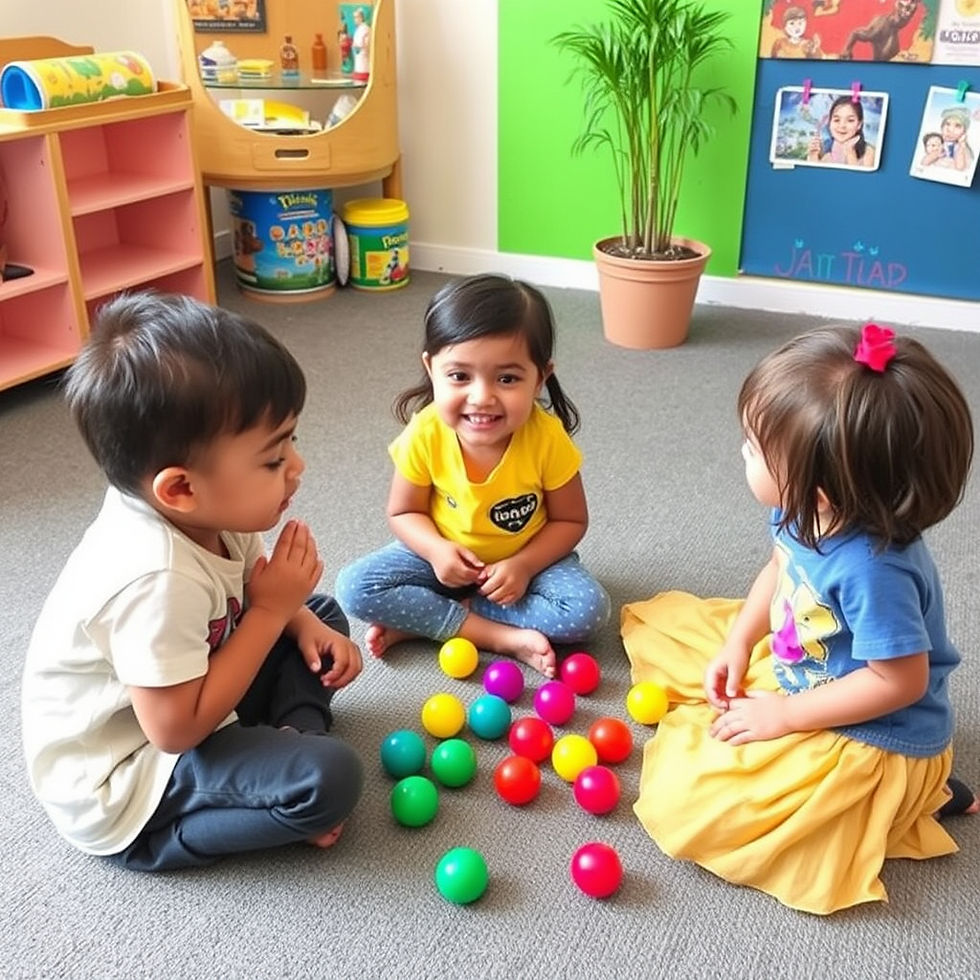
Why Confidence Is Important for Children Best Preschool in Delhi
Confidence helps children believe that they can try, learn, and improve.
A confident preschool child may be more likely to:
Speak in front of others
Ask questions
Try unfamiliar activities
Make new friends
Share ideas
Make simple decisions
Solve age-appropriate problems
Participate in classroom activities
Handle mistakes positively
Confidence also supports communication, social development, emotional well-being, and school readiness.
12 Confidence Building Games for Children
Here are simple and engaging games that parents and educators can use to develop confidence in young children.
1. Show and Tell
Show and Tell is a classic confidence-building activity.
Ask your child to choose a favorite toy, book, drawing, or object and talk about it.
They can explain:
What the object is
Why they like it
Where they got it
How they use it
Start with a few sentences and gradually encourage longer conversations.
Confidence skill: Speaking and self-expression.
2. Mirror Talk Game
Stand in front of a mirror with your child and encourage them to introduce themselves.
For example:
"My name is Aarav. I like drawing. My favorite animal is a lion."
Children can also practice smiling, making eye contact, and speaking clearly.
Confidence skill: Self-awareness and communication.
3. Puppet Conversation
Give your child two puppets and encourage them to create a conversation.
The puppets might:
Say hello
Ask questions
Tell a story
Solve a small problem
Share an experience
Children often find it easier to express themselves through pretend characters.
Confidence skill: Verbal expression and creativity.
4. Freeze Dance
Play music and let children dance freely. When the music stops, everyone freezes.
Add a speaking element by asking the child to say one word or sentence about the pose they are making.
This combines movement with communication.
Confidence skill: Self-expression and spontaneity.
5. Story Chain Game
Start a simple story with one sentence.
For example:
"One morning, a little rabbit found a mysterious box."
Ask your child to add the next sentence.
Continue taking turns until the story is complete.
Confidence skill: Creativity, imagination, and verbal communication.
6. Pretend Shop
Create a pretend shop using toys or household objects.
Let your child take turns being:
Shopkeeper
Customer
Cashier
Encourage simple conversations such as:
"What would you like?""I would like an apple, please."
Confidence skill: Conversation and social interaction.
7. Compliment Circle
Sit with family members or a small group of children.
Each person gives another person a positive compliment.
Examples:
"I like your drawing."
"You shared your toys."
"You helped me."
This teaches children to recognize positive qualities in themselves and others.
Confidence skill: Positive self-image and social-emotional development.
8. Role-Play Game
Role-play is an excellent way to practice real-life situations.
Children can pretend to be:
Doctors
Teachers
Chefs
Pilots
Police officers
Shopkeepers
Community helpers
Encourage children to speak and interact while playing their roles.
Confidence skill: Communication and decision-making.
9. Treasure Hunt
Create a simple indoor or outdoor treasure hunt.
Give children clues and let them find objects.
For an added confidence challenge, ask them to explain where they found each item.
Confidence skill: Problem-solving and communication.
10. Question Ball
Use a soft ball and sit in a circle.
The child holding the ball answers a simple question before passing it to someone else.
Questions could include:
What is your favorite color?
What food do you like?
What makes you happy?
Which animal do you like?
Keep questions simple and fun.
Confidence skill: Speaking and listening.
11. Mini Stage Performance
Create a small stage at home or in the classroom.
Children can:
Sing a song
Recite a rhyme
Tell a story
Perform a short role-play
Show an artwork
The objective is participation—not perfection.
Confidence skill: Public speaking and performance confidence.
12. "I Can Do It" Challenge
Give children small, age-appropriate tasks they can complete independently.
Examples include:
Arranging toys
Choosing a book
Packing a small bag
Building a block tower
Watering plants
After completing the task, encourage them to say:
"I did it!"
This simple activity helps children recognize their own abilities.
Confidence skill: Independence and self-belief.
How Games Build Children's Confidence
Confidence-building games work because they allow children to learn through experience.
Games Provide Safe Practice
Children can try something new without the pressure associated with formal performance.
Games Encourage Participation
Children naturally want to participate when an activity is enjoyable.
Games Teach Children to Handle Mistakes
When children make mistakes during play, they can try again and discover new solutions.
Games Encourage Communication
Many games require children to speak, listen, ask questions, and express ideas.
Games Build Independence
Completing simple challenges helps children recognize that they are capable of doing things themselves.
Confidence Building Through Play-Based Learning
Play is a powerful part of early childhood education.
At Kaiser Valley Future Ready AI Preschool, children learn through experiences that combine education with fun.
Our activities can include:
Storytelling
Music and rhymes
Art and craft
Role-play
Group games
Outdoor activities
Interactive learning
Problem-solving games
Communication activities
AI-supported educational experiences
The goal is to create an environment where children feel comfortable exploring, asking questions, and expressing themselves.
How Teachers Can Build Confidence in Preschoolers
Teachers play an important role in creating a positive learning environment.
Effective confidence-building strategies include:
Encourage Effort
Praise children for trying rather than focusing only on results.
Give Children Choices
Allow children to make simple decisions, such as choosing an activity or color.
Listen Carefully
Give children time to express their thoughts without interrupting unnecessarily.
Celebrate Small Achievements
Small successes can motivate children to take on bigger challenges.
Avoid Comparisons
Every child develops at a different pace. Comparing children can reduce confidence.
Create Opportunities to Lead
Let children help distribute materials, lead a rhyme, or explain a classroom activity.
Confidence Building at Home
Parents can reinforce confidence through everyday experiences.
Try these simple habits:
Let children complete age-appropriate tasks independently.
Ask for their opinions.
Read stories together.
Encourage creative play.
Let them make simple choices.
Celebrate effort.
Give them opportunities to interact with other children.
Encourage them to express their feelings.
Avoid criticizing mistakes harshly.
Most importantly, let children know that making mistakes is a normal part of learning.
Confidence and Communication Skills
Confidence and communication are closely connected.
When children feel confident, they are more likely to:
Start conversations
Ask questions
Explain their ideas
Participate in groups
Express emotions
Talk to teachers
Make friends
That is why communication activities are an important part of a strong preschool curriculum.
The Role of AI-Supported Learning
Technology can complement traditional play-based learning when used appropriately.
At Kaiser Valley Future Ready AI Preschool, AI-supported educational experiences can make certain activities more interactive and engaging while teachers remain central to children's social, emotional, and communication development.
Age-appropriate technology can support:
Interactive storytelling
Vocabulary activities
Educational games
Personalized learning experiences
Question-and-answer activities
Creative exploration
Technology works best when it complements real-world play, conversation, movement, and teacher interaction.
Why Choose Kaiser Valley Future Ready AI Preschool?
Parents looking for the Best Preschool in Delhi often want an environment that develops the whole child—not just early academic skills.
Kaiser Valley Future Ready AI Preschool focuses on:
Confidence building
Communication skills
Play-based learning
Creativity
Social-emotional development
Problem-solving
Teamwork
Leadership
School readiness
AI-supported educational experiences
Our goal is to help children become confident, curious, independent, and future-ready learners.
Frequently Asked Questions
What games build confidence in preschool children?
Show and Tell, puppet conversations, role-play, storytelling, question games, mini performances, treasure hunts, and simple independence challenges can help preschool children develop confidence.
How does play improve children's confidence?
Play gives children opportunities to make choices, communicate, solve problems, experiment, and try again after mistakes in a safe and enjoyable environment.
How can parents build confidence in young children?
Parents can encourage independence, listen to children's ideas, provide choices, praise effort, read together, play pretend games, and give children opportunities to speak and interact.
Should shy children be forced to participate?
Children should generally be encouraged rather than pressured. Small-group activities, partner games, puppets, and one-to-one conversations can help shy children participate gradually.
What is the role of preschool in confidence building?
A supportive preschool provides regular opportunities for communication, teamwork, problem-solving, creative expression, leadership, and independent participation.
Why is Kaiser Valley Future Ready AI Preschool a good choice for confidence building?
Kaiser Valley Future Ready AI Preschool combines play-based education, communication activities, creative learning, social-emotional development, and AI-supported educational experiences to help children build confidence and become future-ready learners.
Conclusion
Confidence grows when children are given opportunities to try, explore, communicate, make decisions, and experience success. Games make this process natural because children can develop important skills while having fun.
From Show and Tell and storytelling to role-play, puppet conversations, treasure hunts, and mini performances, confidence-building games can help children become more expressive, independent, and comfortable around others.
At Kaiser Valley Future Ready AI Preschool, we believe every child has a unique voice. Our nurturing, play-based, and future-ready learning environment gives children opportunities to discover their strengths and develop the confidence they need for the next stage of their journey.
If you are searching for the Best Preschool in Delhi, Kaiser Valley Future Ready AI Preschool provides a supportive environment where children can learn, play, communicate, and grow with confidence.
Because confident children are ready to explore a bigger world.


Comments